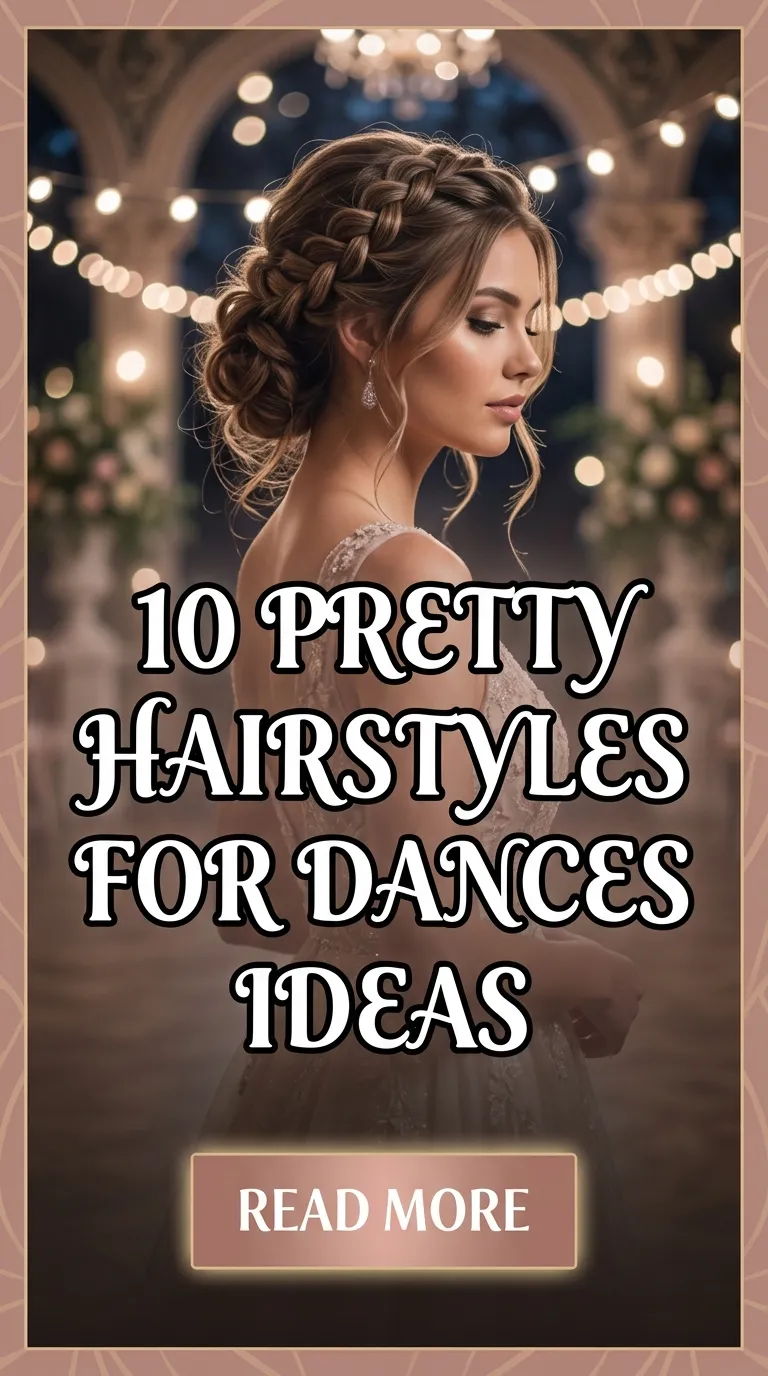
10 Pretty Hairstyles For Dances Ideas

Introduction
Dance events require hairstyles that combine visual appeal with stability and structure. Pretty hairstyles for dances are designed to remain secure during movement while enhancing overall presentation. These Pinterest ideas focus on styles that balance elegance, organization, and practicality. A well-executed hairstyle supports comfort and ensures that hair stays in place throughout the event. It also complements outfits and contributes to a cohesive appearance.
This article presents ten pretty hairstyle ideas suitable for dance settings, explained through clear step by step methods. Each style is designed as a DIY creative project using accessible materials and beginner friendly techniques. Readers will learn how to prepare the hair, structure each style, and maintain consistency during movement. These hairstyles are suitable for various dance events, including formal gatherings and casual celebrations. The focus remains on achieving reliable, visually balanced results that are both functional and aesthetically aligned with modern design preferences.
Why This Idea Is Trending or Useful
Pretty dance hairstyles are trending because they combine functionality with aesthetic appeal. Many Pinterest ideas emphasize styles that remain secure during active movement while maintaining a polished look. This combination makes them suitable for events where both appearance and performance are important.
These hairstyles provide practical value by reducing the need for constant adjustments. Structured designs such as buns, braids, and secured ponytails help maintain stability throughout the event. This allows individuals to focus on dancing without distraction.
The DIY aspect also contributes to their popularity. Most styles can be created using simple materials and step by step techniques. This makes them accessible for beginners who want to achieve a professional appearance without external assistance. The adaptability of these hairstyles allows for customization based on hair type, outfit, and event style. These features make dance hairstyles both practical and visually engaging.
Materials and Preparation
Creating hairstyles for dances requires proper preparation and suitable materials. Essential tools include a brush, comb, hair ties, pins, clips, and styling products that provide hold and control. These materials ensure that the hairstyle remains secure and structured.
Start by detangling the hair thoroughly to create a smooth base. Clean and dry hair allows better control during styling. Sectioning the hair is important for achieving precise results, especially for styles involving braids or buns.
Planning the hairstyle in advance helps maintain organization. Identify key elements such as placement, volume, and structure before starting. Use styling products sparingly to maintain a natural appearance while ensuring hold. Secure each section properly to prevent movement during dancing. Proper preparation ensures that the hairstyle remains stable, balanced, and visually appealing throughout the event.
Idea 1: Elegant Low Twisted Bun
How to Create
The elegant low twisted bun is a classic dance hairstyle that combines structure with simplicity. It is positioned at the nape of the neck, creating a balanced and refined appearance. This style is suitable for formal dance events due to its clean and controlled design.

To create this hairstyle, gather the hair into a low ponytail and secure it with a tie. Divide the ponytail into sections and twist each one individually. Wrap the twisted sections around the base to form a bun. Secure the bun with pins, ensuring it is stable and evenly shaped. Smooth the top and sides to maintain a polished finish. This step by step method creates a reliable and elegant hairstyle that remains secure during movement.
Idea 2: Braided Crown Style
Step-by-Step Guide

The braided crown style wraps around the head, creating a structured and decorative look. This hairstyle distributes weight evenly, making it suitable for active dance movements.
Divide the hair into sections and create braids along each side of the head. Wrap the braids around the crown and secure them with pins. Ensure the braids are evenly placed and aligned. Adjust the tension to maintain balance. This method produces a detailed and stable hairstyle.
Idea 3: High Ponytail with Soft Waves
How to Make

A high ponytail with soft waves combines height with movement. This style creates a dynamic appearance while maintaining control. It is suitable for both formal and casual dance events.
Gather the hair into a high ponytail and secure it with a tie. Add soft waves to the ponytail using a curling method. Smooth the top section while allowing the waves to remain loose. Adjust the height and shape for balance. This approach creates a structured yet lively hairstyle.
Idea 4: Half-Up Braided Style
Execution Process
The half-up braided style combines loose hair with a secured upper section. This design provides both flexibility and structure, making it suitable for dance settings.

Section the top portion of the hair and create a braid. Secure the braid at the back while leaving the remaining hair loose. Adjust the braid placement to ensure symmetry. This method creates a balanced and visually appealing hairstyle.
Idea 5: Sleek Low Ponytail
How to Create

The sleek low ponytail is a simple and practical hairstyle that emphasizes smoothness and alignment. It is suitable for dance events that require a clean and minimal look.
Comb the hair backward and gather it at the nape of the neck. Secure it with a tie. Smooth the top and sides using a comb to ensure consistency. Adjust the ponytail to maintain balance. This method creates a neat and reliable hairstyle.
Idea 6: Double Braided Ponytail
Setup Method

The double braided ponytail adds structure and detail to a standard ponytail. This style enhances stability while maintaining a decorative appearance.
Divide the hair into two sections and create braids. Combine both braids into a ponytail and secure with a tie. Adjust the braids to ensure even spacing and alignment. This method creates a structured and durable hairstyle.
Idea 7: Side Swept Curl Style
How to Make

The side swept curl style shifts the hair to one side, creating an asymmetrical and elegant look. This style combines movement with controlled placement.
Curl the hair to create soft waves. Sweep the hair to one side and secure it with pins if needed. Adjust the placement to maintain balance. This method produces a dynamic and visually appealing hairstyle.
Idea 8: Twisted Half-Up Bun
Step-by-Step Guide
The twisted half-up bun combines a small bun with loose hair. This style provides structure while allowing movement.

Section the top portion of the hair and twist it into a bun. Secure the bun with pins or a tie. Leave the remaining hair loose. Adjust the bun size and placement to maintain proportion. This method creates a balanced and practical hairstyle.
Idea 9: Bubble Ponytail Style
How to Create

The bubble ponytail adds decorative sections to a standard ponytail, creating a structured and playful look. This style remains secure during movement.
Secure the hair into a ponytail and add additional ties along the length. Expand each section to form bubbles. Ensure consistent spacing and alignment. This method produces a visually engaging hairstyle.
Idea 10: Low Braided Bun
Execution Process

The low braided bun combines braiding with a secure bun structure. This style enhances stability while adding texture and detail.
Create a braid from the ponytail and wrap it into a bun at the nape. Secure with pins to maintain shape. Ensure the bun is evenly positioned and stable. This method creates a refined and durable hairstyle.
Common Beginner Mistakes and How to Avoid Them
A common mistake is not securing the hairstyle properly, which can lead to movement during dancing. Use sufficient pins and ties to maintain stability. Another issue is uneven sectioning, which affects balance and appearance. Always divide the hair carefully before styling.
Using too much product can make the hair heavy and reduce natural movement. Apply products in controlled amounts. Skipping preparation steps such as detangling can lead to uneven results.
Taking time to adjust each section ensures a consistent and reliable hairstyle. Avoiding these mistakes improves both appearance and performance.
Practical Tips for Better Results
Use strong hair ties and pins to ensure durability. Work in sections to maintain control and accuracy. Check alignment from multiple angles to ensure balance.
Use minimal product to maintain a natural finish while ensuring hold. Practice the hairstyle before the event to improve efficiency.
These tips help achieve a stable and polished result suitable for dance settings.
Styling, Presentation, or Organization Ideas
Coordinate hairstyles with outfits to create a cohesive appearance. Maintain balance between structure and movement. Use accessories carefully to enhance the design without adding weight.
Organize tools and materials before starting to improve workflow. Keep the styling area clean and well-lit.
Proper presentation enhances both functionality and visual appeal.
Budget or Time Planning
Dance hairstyles can be created using basic materials, making them suitable for budget ideas. Plan the hairstyle based on available time to ensure efficient preparation.
Simpler styles can be completed quickly, while detailed designs may require additional time. Prepare all materials in advance to avoid delays.
Efficient planning ensures a smooth process and consistent results.
Creative Expansion and Advanced Inspiration
Expand these hairstyles by combining techniques such as braiding, twisting, and curling. Experiment with different placements and structures to create new variations.
Incorporate subtle accessories or layered designs to enhance complexity. Explore advanced patterns to develop unique styles.
Continuous experimentation allows for creative growth while maintaining structured and reliable results.