Introduction
Natural hairstyles are becoming a central focus in modern Pinterest ideas due to their simplicity, versatility, and connection to everyday beauty routines. These styles emphasize working with natural hair texture rather than altering it with excessive heat or chemicals. As a result, they support healthier hair practices while also offering visually appealing results suitable for daily wear or special occasions. This article presents a complete guide to easy natural hairstyles designed for beginners who want practical and achievable styling methods. Each idea includes clear instructions, materials, and step-by-step processes to ensure accessibility without requiring professional skills. Readers will learn how to create a range of styles using minimal tools and basic preparation techniques. These hairstyles also align with modern design preferences such as minimalist style, clean structure, and organized presentation. Whether the goal is everyday convenience or creative expression, these DIY hairstyle tutorials provide reliable and effective solutions. The focus remains on structured execution, consistent results, and adaptable styling methods that suit different hair types and lengths.
Why This Idea Is Trending or Useful
Natural hairstyles are widely shared across Pinterest due to their practical value and alignment with current beauty trends. These styles reduce dependence on heat styling tools, which helps maintain hair strength and natural texture over time. The growing preference for sustainable and low-maintenance routines has also contributed to their popularity. Many users seek creative ideas that can be completed quickly while still achieving a polished appearance. These hairstyles meet that demand by offering structured, repeatable methods that are easy to follow. Another reason for their relevance is accessibility. Most styles require basic materials such as combs, hair ties, and clips, making them beginner friendly and cost-effective. The DIY aspect also appeals to individuals who prefer self-styling rather than salon visits. In addition, natural hairstyles support versatility, allowing users to adapt looks for work, casual settings, or events. Their compatibility with modern home decor aesthetics, such as minimalism and clean organization, further enhances their appeal in visual platforms. This combination of efficiency, affordability, and design relevance makes them a consistent source of inspiration.
Materials and Preparation
Preparing for natural hairstyles involves organizing essential tools and understanding basic hair care steps. Common materials include a wide-tooth comb, detangling brush, hair ties, bobby pins, sectioning clips, and a spray bottle filled with water. Optional additions such as leave-in conditioner or lightweight oil can help improve manageability and smoothness. Before styling, hair should be clean and slightly damp or fully dry depending on the chosen method. Detangling is a critical step to prevent breakage and ensure even styling. Sectioning the hair into manageable parts helps maintain control and accuracy during the process. Planning is also important. Decide on the hairstyle based on available time, hair length, and desired appearance. A mirror setup that allows visibility from multiple angles improves precision. For beginners, practicing each step slowly helps build confidence and consistency. Keeping materials organized in one place reduces interruptions during the styling process. Proper preparation ensures that each hairstyle is executed efficiently, resulting in clean structure and long-lasting results.
Idea 1: Simple Low Bun
How to Create
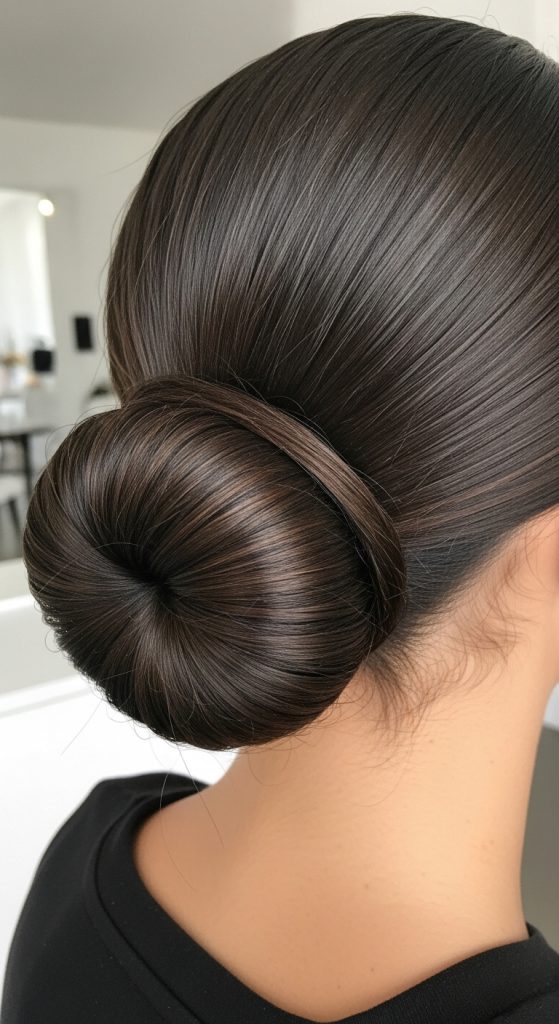
A simple low bun is a structured hairstyle that gathers hair at the nape of the neck into a compact and secure form. This style works well for both casual and formal settings due to its clean and organized appearance. It supports minimalist style principles by reducing visual complexity while maintaining a polished finish. The low bun is also suitable for various hair textures, making it a versatile option among beginner friendly Pinterest ideas. Its design focuses on smoothness and balance, ensuring that the hair remains controlled throughout the day. This hairstyle is especially useful for individuals seeking an easy project that can be completed quickly without specialized tools. It also aligns with home decor-inspired aesthetics where simplicity and structure are prioritized. The low bun can be adapted by adjusting tightness or adding subtle variations such as side parts or soft framing sections. Understanding the concept of evenly distributing hair tension is key to achieving a stable and comfortable result.
To create a simple low bun, begin by detangling the hair thoroughly using a wide-tooth comb. Gather all hair at the back of the head near the neckline and secure it with a hair tie to form a low ponytail. Twist the ponytail gently while maintaining even tension, then wrap it around its base in a circular motion. Use bobby pins to secure the bun in place, ensuring that the ends are tucked neatly. Adjust the shape by smoothing any loose strands with your hands or a brush. For added hold, lightly mist the hair with water or apply a small amount of leave-in conditioner. This step-by-step method ensures that the hairstyle remains intact throughout the day. The process requires minimal materials and can be completed within minutes, making it a reliable option for daily use. Practicing the wrapping technique improves consistency and helps achieve a balanced, symmetrical bun.