Introduction
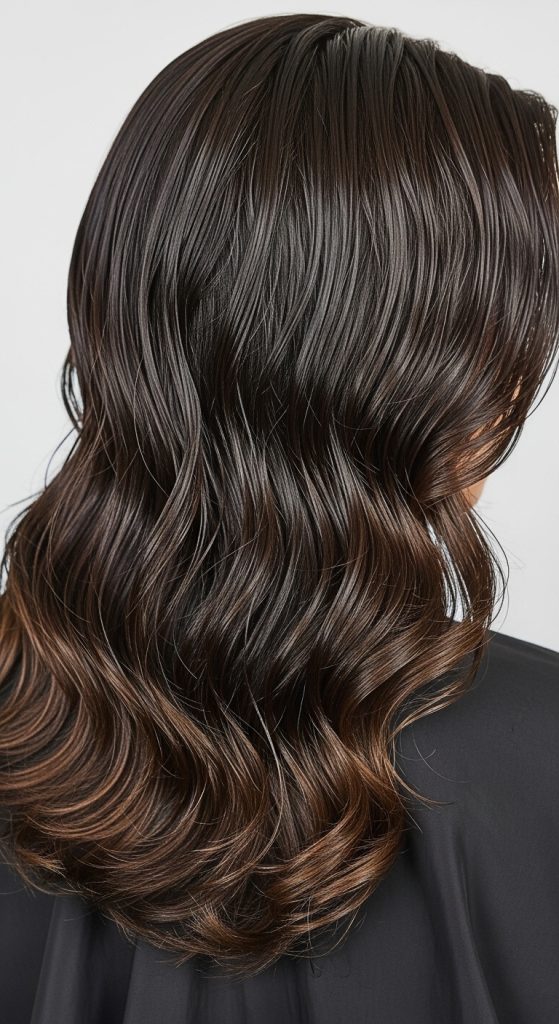
Wet and wavy hairstyles combine moisture-enhanced texture with defined wave patterns to create a structured yet fluid appearance. This style emphasizes shine, separation, and movement, giving the hair a refreshed and controlled look. On Pinterest, wet and wavy styles are widely shared because they offer a balance between natural texture and styled definition. The wet effect enhances the visibility of each wave, while the overall structure keeps the hairstyle organized and polished.
This article provides a complete tutorial-style guide to ten wet and wavy hairstyle ideas. Each concept explains the design clearly and includes a step by step method for practical execution. Readers will learn how to prepare their hair, apply suitable materials, and maintain the desired texture throughout the day. These creative ideas are beginner friendly and designed for consistent results. By following these methods, individuals can achieve a modern design that highlights natural wave patterns while maintaining a clean and aesthetic finish suitable for various occasions.
Why This Idea Is Trending or Useful
Wet and wavy hairstyles are trending because they combine a natural look with a styled finish. On Pinterest, these hairstyles are popular due to their ability to enhance texture while maintaining a polished appearance. The wet effect creates shine and definition, making the waves more visible and structured. This design works well for both casual and formal settings, making it a versatile choice.
Another reason for their popularity is accessibility. These hairstyles can be achieved using simple DIY methods and basic materials. They are beginner friendly and adaptable to different hair types and lengths. The process does not require complex tools, making it suitable for budget ideas and easy project planning. The flexibility to adjust the level of moisture and wave definition allows for multiple variations from a single technique. This combination of simplicity, adaptability, and aesthetic appeal makes wet and wavy hairstyles a reliable source of inspiration.
Materials and Preparation
Creating wet and wavy hairstyles requires a few essential materials and proper preparation. Basic materials include a comb, spray bottle with water, hair gel or styling cream, and a brush. Optional tools such as a diffuser or curling tool can help enhance wave definition. Sectioning clips are useful for dividing the hair evenly during the styling process.
Preparation begins with clean, damp hair to ensure proper product distribution. Detangle the hair carefully to avoid disrupting the wave pattern. Apply a light layer of styling product to create the wet effect and hold the waves in place. Section the hair to maintain organization and ensure even styling. Planning the desired level of wave definition and shine helps guide the process. This preparation stage supports a smooth tutorial workflow and ensures a consistent and polished result.