10 Peekaboo Hair Color Ideas
Peekaboo hair color is a modern coloring technique where a hidden section of hair is dyed in a contrasting or vibrant shade beneath the top layers of natural hair. When the hair moves, is styled, or tied up, the colored section becomes visible, creating a layered and dimensional effect. This technique has become a popular Pinterest idea because it allows people to experiment with color without committing to a full-head transformation. The result is subtle when the hair is down but expressive when styled differently.
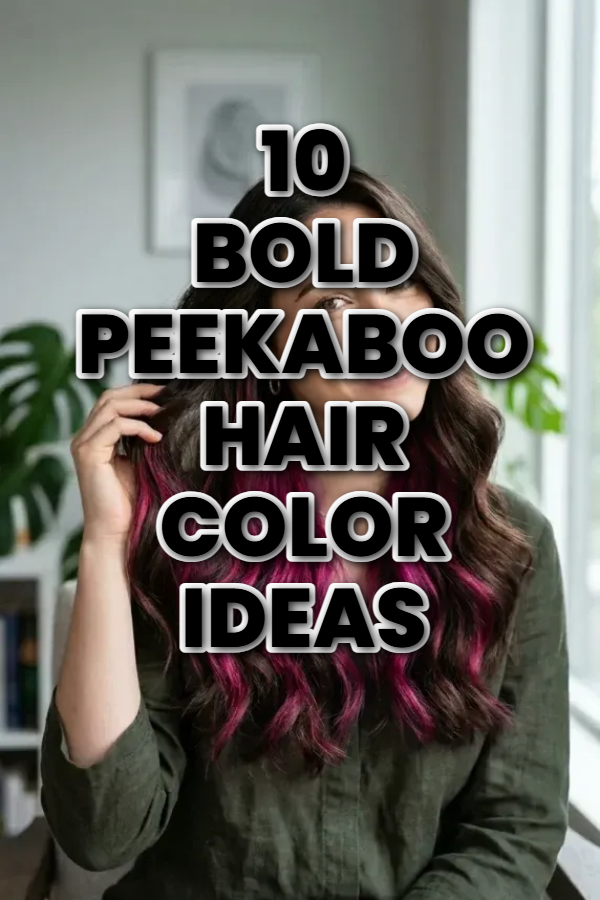
This creative project offers flexibility in color placement, tone selection, and intensity. It can be adapted for different hair lengths, textures, and natural colors. Peekaboo hair coloring works well with both bold shades such as purple or blue and softer tones such as caramel or rose gold. The technique is also compatible with minimalist style preferences because the color remains partially hidden.
In this guide, readers will learn ten practical peekaboo hair color ideas that can be recreated at home or used as inspiration for professional styling. Each concept explains how the design works and provides a clear step-by-step method for achieving the result. The article focuses on beginner friendly techniques, practical planning, and aesthetic hair design suitable for modern hair styling trends.
Why This Idea Is Trending or Useful
Peekaboo hair color has gained significant popularity on Pinterest because it combines creativity with practicality. Many people want to explore bold hair colors without fully changing their appearance. The peekaboo technique solves this problem by hiding color underneath the top layers of hair. This makes it possible to maintain a natural look in professional or formal environments while still enjoying vibrant tones during casual styling.
Another reason for its popularity is the flexibility of design. Peekaboo color works well with many hairstyles including braids, curls, ponytails, and buns. When hair is styled, the hidden color becomes visible and creates contrast and movement. This effect often appears visually striking in photos and videos, which increases its appeal for social media inspiration and Pinterest boards.
The technique is also beginner friendly compared to full hair transformations. Only a small portion of the hair needs to be colored, which reduces time, cost, and risk. For DIY hair enthusiasts, this makes the process more manageable. Many people treat peekaboo color as a creative project that allows experimentation with shades and placement.
Because the method requires fewer materials and less maintenance than full hair coloring, it fits well with budget ideas and easy project planning. The result is a balanced combination of aesthetic design, practicality, and modern hair styling trends.
Materials and Preparation
Before starting a peekaboo hair color project, preparation is essential to ensure an even and controlled result. The most important step is selecting the section of hair that will hold the hidden color. This section is typically located underneath the top layer near the nape of the neck or behind the ears. The size of the section can vary depending on how bold the color effect should appear when the hair moves.
Basic materials include hair coloring dye, disposable gloves, a mixing bowl, a color brush, hair clips, and aluminum foil or plastic wrap. Hair clips help separate the top layers from the section that will be colored. Foil or plastic wrap keeps the dye contained and prevents the color from spreading onto other sections of hair. A wide comb can also help distribute the color evenly through the strands.
Preparation also involves protecting the surrounding hair and workspace. A towel or protective cape can prevent staining on clothing. It is also helpful to apply a thin layer of protective cream around the hairline to avoid skin staining.
Planning the color combination is another important step. The hidden color should contrast with the natural hair tone while still maintaining balance. Popular combinations include dark hair with bright tones or lighter hair with pastel shades. Careful planning ensures the final result appears intentional and aesthetically cohesive.
Idea 1: Classic Purple Peekaboo
How to Create
The classic purple peekaboo style uses a deep purple shade hidden beneath darker or neutral hair. This color combination creates a striking contrast when the hair moves while remaining subtle when the hair is worn down. Purple works particularly well because it complements many natural hair tones, including brown, black, and dark blonde. The result is a creative yet balanced look that blends modern design with expressive color.
To begin this creative project, separate a horizontal section of hair near the lower back of the head. Secure the upper layers with clips so they remain untouched. Apply the purple dye evenly from root to tip using a coloring brush. The dye should fully saturate the hair strands to ensure the color develops evenly. Wrap the colored section in foil to keep the dye contained and allow it to process according to the recommended timing. After rinsing and drying the hair, the purple layer remains hidden under the natural hair but becomes visible when the hair is braided, curled, or styled into a ponytail. This peekaboo placement creates movement and depth while maintaining a practical everyday appearance.

Idea 2: Blonde and Pink Contrast
Step-by-Step Guide
A blonde and pink peekaboo combination creates a soft yet vibrant contrast that works well with light hair tones. The pink shade appears delicate under blonde layers, producing a pastel aesthetic that fits current Pinterest inspiration trends. This design works especially well for shoulder-length or longer hairstyles where the colored section can move freely with the hair.
Start by selecting a narrow section of hair underneath the top layers. The section should extend from behind one ear to the other across the lower part of the head. Clip the rest of the hair securely away from the coloring area. Apply a light pink dye evenly along the strands using a brush. For lighter results, pastel pink tones are commonly used. The dye should cover each strand from root to tip. Wrap the section in foil or plastic wrap to isolate the color. Allow the dye to process before rinsing with cool water. Once the hair is dried and styled, the pink color remains hidden beneath the blonde hair but appears when the hair shifts or is styled into braids or loose curls.

Idea 3: Electric Blue Hidden Layer
How to Make
Electric blue peekaboo color creates a bold and energetic visual contrast under darker hair. This design focuses on vibrant saturation that stands out clearly when the hair moves. The bright blue tone creates an artistic effect that often appears striking in braided hairstyles or layered haircuts. It is a popular choice for people who want a noticeable yet partially hidden color statement.
The process begins by parting the hair horizontally about two inches above the nape. Clip the upper layers securely so they remain untouched. Apply electric blue dye carefully to the exposed lower section. A color brush ensures even coverage across the strands. The dye should be distributed from roots to ends while combing gently to avoid uneven patches. Wrap the colored hair in foil to contain the dye and prevent contact with other sections. After the processing time, rinse thoroughly until the water runs clear. When the hair is dried and styled, the blue layer becomes visible only when the hair shifts or is styled upward. This method creates a dynamic and modern peekaboo hair effect.

Idea 4: Caramel Peekaboo Highlights
How to Create
Caramel peekaboo highlights offer a subtle and natural variation compared to vibrant colors. This technique uses warm caramel tones hidden beneath darker hair to create depth and dimension. Instead of appearing dramatic, the effect adds soft brightness that becomes noticeable when the hair moves or when it is styled in layered hairstyles.
To achieve this look, select thin strands underneath the hair rather than a single large section. These strands should be spaced evenly across the lower layer of the hair. Apply caramel hair dye using a brush while ensuring the strands are evenly coated. Because caramel tones are close to natural hair colors, precise application helps maintain a blended result. Wrap the colored strands in foil to separate them from the surrounding hair. Allow the color to develop before rinsing thoroughly. Once the hair is dried, the caramel highlights remain hidden beneath the darker layers but appear as warm reflections when the hair moves. This technique creates a minimalist style effect while maintaining a natural aesthetic suitable for everyday hair styling.

Idea 5: Rainbow Peekaboo Layer
Execution Process
The rainbow peekaboo layer uses multiple vibrant shades arranged within the same hidden section of hair. Colors such as red, orange, yellow, green, blue, and purple are placed side by side to create a spectrum effect. When the hair moves, the rainbow tones appear briefly, creating a colorful and artistic hairstyle.
Begin by separating a wide lower section of hair beneath the top layers. Divide this section into smaller segments using hair clips. Each segment will hold a different color. Apply the first dye shade to the first segment, ensuring full saturation. Continue applying the remaining colors to the other segments while keeping the shades separated with foil. This prevents colors from blending during processing. After the dyes develop, rinse the hair carefully to maintain the separation between colors. Once dry, the rainbow section remains hidden under the natural hair. When the hair is braided, curled, or tied up, the colors appear as a layered spectrum. This peekaboo technique creates an expressive and visually dynamic hairstyle.

Idea 6: Silver Hidden Shine
Setup Method
Silver peekaboo hair color creates a sleek and modern aesthetic that pairs well with darker hair tones. The cool metallic tone contrasts with black or deep brown hair while maintaining a sophisticated appearance. This color combination fits well with minimalist style trends and contemporary hair design.
Start by isolating a lower section of hair beneath the crown. Clip the top layers securely so they remain separate from the coloring area. Apply silver dye evenly across the selected section using a color brush. The dye should be distributed thoroughly to achieve a reflective finish. Wrap the colored hair with foil and allow it to process according to the recommended timing. Once rinsed and dried, the silver strands remain hidden under the darker hair. The metallic tone becomes visible when the hair is styled into loose waves, braids, or ponytails. The contrast between dark and silver tones creates a clean and structured visual effect that highlights the layered nature of the peekaboo technique.

Idea 7: Lavender Soft Peekaboo
How to Create
Lavender peekaboo color offers a gentle pastel variation that works particularly well with light or medium hair tones. The soft purple shade produces a calm and delicate aesthetic that aligns with many Pinterest hairstyle ideas. Because the tone is lighter than traditional purple, it blends smoothly with surrounding hair colors.
Separate a thin horizontal section of hair underneath the upper layers. Clip the remaining hair away from the working area. Apply lavender dye evenly across the selected strands using a brush. The dye should fully coat the hair to ensure consistent color development. Wrap the section in foil to isolate it during processing. After rinsing and drying the hair, the lavender color remains hidden beneath the top layers. When the hair moves or is styled into braids, curls, or half-up styles, the lavender shade appears subtly. This design creates a balanced blend of creativity and softness.

Idea 8: Red Peekaboo Accent
Step-by-Step Guide
Red peekaboo hair color creates a dramatic contrast under dark or medium-toned hair. The rich red tone provides strong visual depth when the hair moves. This color combination works particularly well for layered haircuts where the hidden color can appear through movement.
Start by selecting a medium-sized section of hair beneath the top layers. Secure the surrounding hair using clips. Apply deep red dye evenly across the section using a coloring brush. Ensure the dye reaches the roots and ends for consistent color intensity. Wrap the section in foil and allow the dye to process fully. After rinsing and drying, the red layer remains hidden but appears when the hair shifts or when it is styled into ponytails or braids. The contrast between dark hair and red tones creates a bold peekaboo effect.

Idea 9: Teal Hidden Pop
How to Make
Teal peekaboo hair color combines blue and green tones to create a cool and vibrant hidden layer. This shade works well with dark brown or black hair because the contrast makes the color appear vivid without dominating the overall hairstyle.
Separate a lower section of hair along the nape of the neck. Clip the top layers securely above it. Apply teal dye evenly across the exposed section while combing gently to distribute the color. Wrap the colored hair in foil to isolate it from the surrounding hair. Allow the dye to process fully before rinsing. After drying the hair, the teal color remains concealed under the natural hair. When the hair moves or is styled upward, the teal layer becomes visible, creating a striking color accent.

Idea 10: Pastel Multi-Tone Peekaboo
Execution Process
Pastel multi-tone peekaboo hair combines several soft shades such as mint green, baby pink, lavender, and peach within a hidden layer. These colors create a soft gradient effect that appears when the hair moves. The result is a playful yet delicate hairstyle.
Begin by separating a wide hidden section beneath the top layers of hair. Divide this section into smaller segments using clips. Apply a different pastel color to each segment, ensuring that the dyes do not overlap. Wrap each colored segment in foil to keep the shades separated. Allow the dyes to process fully before rinsing carefully. Once the hair is dry, the pastel tones remain hidden but appear softly when the hair is styled into braids, curls, or half-up styles.

Common Beginner Mistakes and How to Avoid Them
Many beginners encounter challenges when attempting peekaboo hair color projects because the hidden placement requires careful sectioning and planning. One common mistake is selecting a section of hair that is too small or uneven. If the colored section is extremely thin, the peekaboo effect may not be noticeable when the hair moves. Conversely, a section that is too large can make the color appear more like a full underlayer rather than a subtle hidden accent. The solution is to measure the section carefully and keep it consistent across the head. A balanced section usually sits two to three inches above the nape while remaining evenly distributed.
Another frequent mistake involves insufficient color saturation. When dye is applied unevenly or too lightly, the result can appear patchy after rinsing. Each strand should be fully coated with dye from root to tip to maintain consistent color intensity. Using a color brush and gently combing the dye through the hair can improve distribution.
Color bleeding is another issue beginners may face. If the dyed section touches surrounding hair during processing, the color may transfer unintentionally. Wrapping the section securely in foil or plastic wrap helps isolate the dye and prevents staining. Careful preparation and patience during application help produce cleaner results and a more professional finish.
Practical Tips for Better Results
Achieving a clean and vibrant peekaboo hair color effect requires attention to several small but important details during the coloring process. One effective strategy is to begin with freshly washed and completely dry hair. Clean hair allows the dye to attach more evenly to the strands and reduces interference from oils or styling products. However, heavy conditioners should be avoided before coloring because they can create a barrier that affects color absorption.
Sectioning is another key factor that improves results. The hair should be divided cleanly using a comb so that the colored layer remains clearly separated from the rest of the hair. Secure hair clips help maintain the separation while applying dye. Precision during this step ensures the color remains hidden and evenly distributed.
Timing also affects the final appearance. Leaving the dye on for the recommended duration allows the color pigments to fully develop within the hair strands. Rinsing too early can result in dull or uneven color. Once the dye has processed, rinsing with cool water helps seal the hair cuticle and maintain color intensity.
Using gentle hair care methods afterward also supports longer lasting results. Limiting excessive heat styling and using mild shampoos can help preserve the vibrancy of the hidden color layer.
Styling, Presentation, or Organization Ideas
Peekaboo hair color becomes most visible when the hair is styled in ways that allow the hidden section to appear naturally. Certain hairstyles reveal the color more effectively while still maintaining the subtle nature of the design. Braided hairstyles are particularly effective because they weave the colored strands through the natural hair, creating contrast and visual movement. Simple three-strand braids or loose side braids can highlight the hidden layer without requiring complicated styling techniques.
Half-up hairstyles are another useful option for presentation. When the upper section of hair is tied into a small bun or ponytail, the colored layer underneath becomes partially visible. This method creates a balanced look where the hidden color appears as a deliberate accent rather than a full color transformation.
Loose curls and waves also enhance peekaboo hair effects. Curled hair naturally separates into layers, allowing glimpses of the colored strands underneath. This technique works especially well with layered haircuts because the movement of the curls creates dynamic color visibility.
For everyday styling, low ponytails or messy buns can reveal the color subtly. These styles maintain practicality while showcasing the creative project in a controlled and aesthetic way suitable for both casual and formal environments.
Budget or Time Planning
Peekaboo hair coloring is considered a budget friendly creative project compared to full hair dye transformations. Because only a small section of hair is colored, the amount of dye required is significantly reduced. This allows individuals to experiment with different shades without purchasing large quantities of coloring products. Planning the project carefully before starting also helps prevent unnecessary expenses caused by mistakes or repeated applications.
Time planning is another important consideration. The entire process typically involves three main stages: preparation, color application, and processing time. Preparation includes sectioning the hair, arranging materials, and protecting surrounding areas from staining. This stage generally requires around fifteen to twenty minutes depending on hair length and thickness.
Applying the dye to the hidden section usually takes another fifteen minutes when performed carefully. The processing stage varies depending on the type of dye used, but most hair coloring products require between twenty and forty minutes for full color development. Including rinsing and drying, the entire project can usually be completed within one to two hours.
By organizing materials in advance and following a clear step-by-step plan, the coloring process becomes more efficient. Proper planning also reduces stress during application and leads to more consistent results.
Creative Expansion and Advanced Inspiration
Once the basic peekaboo hair color technique is mastered, it can be expanded into more advanced creative projects that incorporate additional design elements. One option is combining peekaboo color with layered haircuts. Layers allow the hidden color to appear more frequently because the strands move independently from the rest of the hair. This creates a dynamic visual effect where the color becomes visible at different angles.
Another advanced variation involves gradient coloring within the hidden section. Instead of applying a single shade, multiple tones can be blended gradually from darker to lighter hues. For example, a blue section could transition into teal or turquoise toward the ends. This gradient approach creates a more artistic and dimensional result.
Creative placement can also be explored beyond the traditional nape area. Some designs place peekaboo color behind the ears or along one side of the head to create an asymmetrical effect. This variation works particularly well for modern hairstyles that emphasize unique shapes and movement.
Combining peekaboo coloring with braiding techniques also opens new possibilities. Braids can reveal color patterns in unexpected ways, especially when multiple shades are used. These advanced approaches transform the simple peekaboo technique into a more complex and expressive hair design project.
