10 Hairstyles For Long Hair Ponytail Simple Ideas

Introduction
Long hair offers many styling possibilities, but simple ponytail hairstyles remain one of the most practical and versatile options. A ponytail gathers hair into a single section and secures it with an elastic tie, creating a clean and organized hairstyle that works for everyday activities, professional environments, and casual occasions. Despite its simplicity, the ponytail can be transformed into many creative styles by adjusting placement, texture, or structure. Because of this flexibility, ponytail hairstyles are frequently featured in Pinterest ideas where users search for practical yet aesthetic styling inspiration.
This guide presents ten simple ponytail hairstyle ideas designed specifically for long hair. Each style focuses on beginner friendly techniques that require minimal tools and materials while still producing visually appealing results. The concepts include variations such as textured ponytails, braided ponytails, and layered ponytail styles that enhance the natural length of the hair.
Readers will learn how to create each hairstyle using clear step by step instructions and practical preparation methods. The goal is to provide realistic styling solutions that work for daily routines while still allowing creativity and personal style. These ponytail designs highlight how an easy project can transform a basic hairstyle into a polished and organized look.
Why This Idea Is Trending or Useful
Simple ponytail hairstyles continue to trend on Pinterest because they combine practicality with modern design. Many people look for hairstyles that can be completed quickly without complex tools or professional training. Ponytail styles meet this need because they require only basic materials and can be adapted to different hair textures and lengths. This accessibility makes ponytails a reliable option for daily styling routines.
Another reason for their popularity is the wide range of creative variations available. By adjusting the height of the ponytail, adding braids, or incorporating texture, a basic ponytail can become a stylish hair design suitable for different occasions. This flexibility aligns well with current Pinterest inspiration trends where users search for creative ideas that are easy to recreate at home.
Ponytail hairstyles also fit well with DIY styling tutorials. Many of these hairstyles can be learned through simple step by step practice, making them beginner friendly for people who are still developing their hair styling skills. Because the ponytail structure naturally gathers hair into one organized section, the hairstyle maintains a neat appearance while still allowing creative adjustments.
This combination of simplicity, adaptability, and visual appeal explains why ponytail hairstyles remain a consistent source of trending ideas within modern hair styling inspiration.
Materials and Preparation
Preparing to create simple ponytail hairstyles requires only a few basic tools and careful organization of the hair. The most essential material is a strong elastic hair tie that can securely hold the hair in place. Hair ties should be tight enough to maintain the hairstyle but gentle enough to avoid pulling or damaging the hair strands. Hair clips are also helpful for separating sections of hair during more detailed ponytail designs.
A wide comb or detangling brush is another useful tool during preparation. Smooth, tangle free hair makes it easier to gather the strands evenly and prevents bumps or uneven sections in the ponytail. In some cases, a sectioning comb can help create clean hair parts for styles that involve braids or layered ponytails.
Before beginning the hairstyle, the hair should be fully detangled and lightly brushed to remove knots. Clean hair that is free of heavy styling products usually holds ponytail shapes more effectively. Planning the ponytail placement is also important. The position of the ponytail on the head determines how the hairstyle appears from the front and back.
Some ponytails sit high on the crown for a lifted appearance, while others rest lower near the nape of the neck for a relaxed look. Planning the style in advance ensures that the final hairstyle remains balanced and visually organized.
Idea 1: Classic High Ponytail
How to Create
The classic high ponytail is one of the most recognizable hairstyles for long hair. This style gathers the hair near the top of the head and secures it tightly with a hair tie. The high placement lifts the hair away from the neck and shoulders, creating a clean and structured look. Because the ponytail sits above the crown, the length of the hair becomes more visible, emphasizing the natural flow of long hair strands.
This hairstyle is often included in Pinterest ideas because it combines simplicity with a polished appearance. The elevated position also helps create a balanced facial frame by pulling the hair upward. The result is a hairstyle that appears organized while still highlighting the length and volume of long hair. The high ponytail works well with straight, wavy, or lightly textured hair.
To create this style, begin by brushing the hair upward toward the crown of the head. Use both hands to gather all the hair into a single section at the desired height. Smooth the surface with a brush to remove any bumps. Secure the gathered hair with a strong elastic tie. After fastening the tie, gently adjust the ponytail to ensure the strands fall evenly. The result is a clean, lifted hairstyle that emphasizes the natural length of long hair.

Idea 2: Low Sleek Ponytail
Step-by-Step Guide
The low sleek ponytail is a simple hairstyle that emphasizes smoothness and minimal structure. Instead of placing the ponytail high on the head, this style gathers the hair at the nape of the neck. The result is a relaxed and controlled hairstyle that highlights the natural alignment of the hair strands. This ponytail style works particularly well with straight or lightly waved hair because the smooth texture enhances the clean appearance of the hairstyle.
The sleek structure of this ponytail creates a minimalist style that aligns with many modern design trends. Because the hair flows naturally from the scalp to the ponytail, the hairstyle maintains a balanced and organized look. This approach also works well for both casual environments and professional settings where simple hairstyles are often preferred.
To create the low sleek ponytail, begin by brushing the hair downward toward the back of the neck. Use a fine comb to smooth the hair along the scalp, ensuring that the strands lie flat without visible bumps. Gather the hair just above the nape and hold it securely with one hand. Use the other hand to wrap a hair tie around the gathered section until the ponytail feels secure. Once fastened, lightly adjust the ponytail so the hair falls straight and evenly.

Idea 3: Braided Ponytail
How to Make
The braided ponytail combines two hairstyle techniques by forming a braid from the ponytail section. This design adds texture and structure to the traditional ponytail while maintaining its simple foundation. The braid helps keep the hair organized and prevents loose strands from separating throughout the day.
To create this hairstyle, first gather the hair into a regular ponytail using an elastic tie. Once the ponytail is secured, divide the ponytail hair into three equal strands. Begin braiding by crossing the outer strands over the center strand repeatedly. Continue this weaving pattern until reaching the end of the hair. Secure the braid with another small elastic tie. The braided ponytail creates a structured hairstyle that keeps long hair neatly arranged.

Idea 4: Bubble Ponytail
How to Create
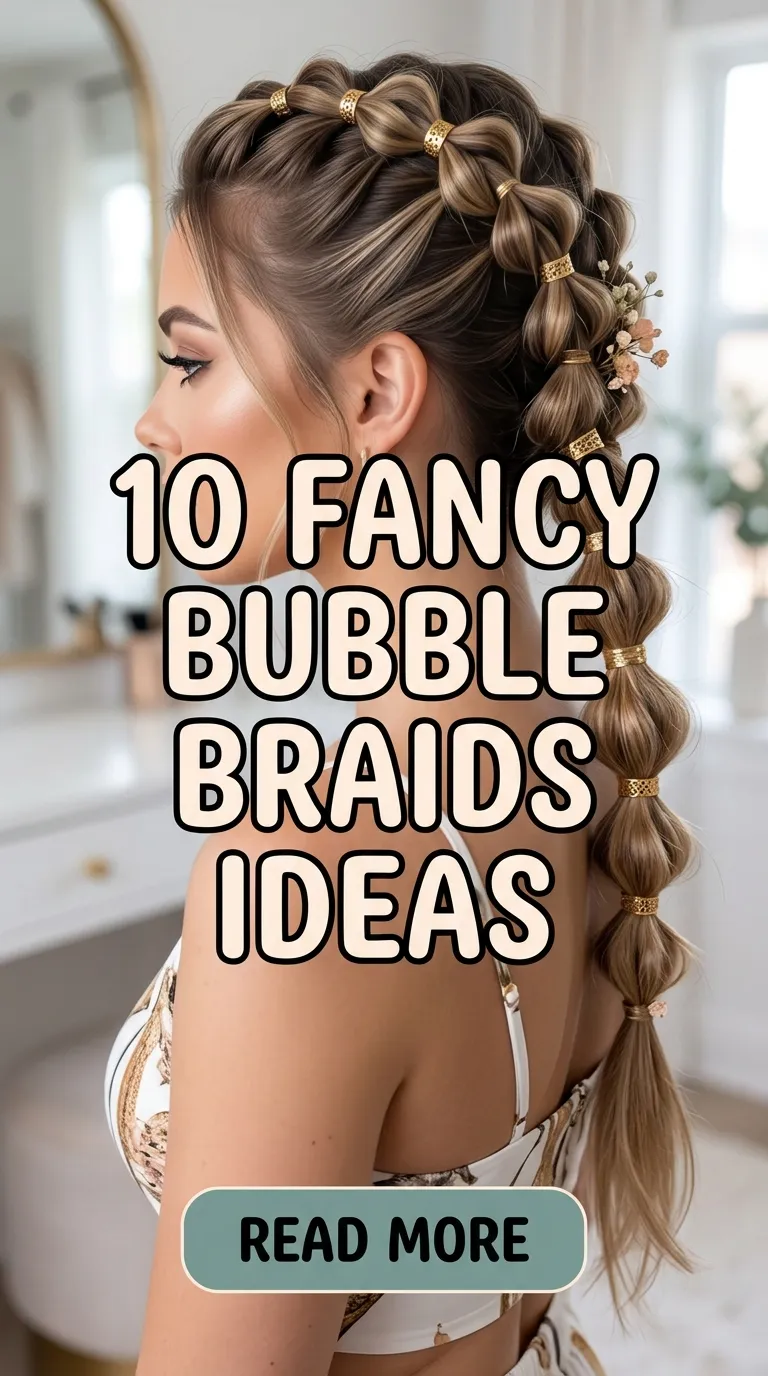
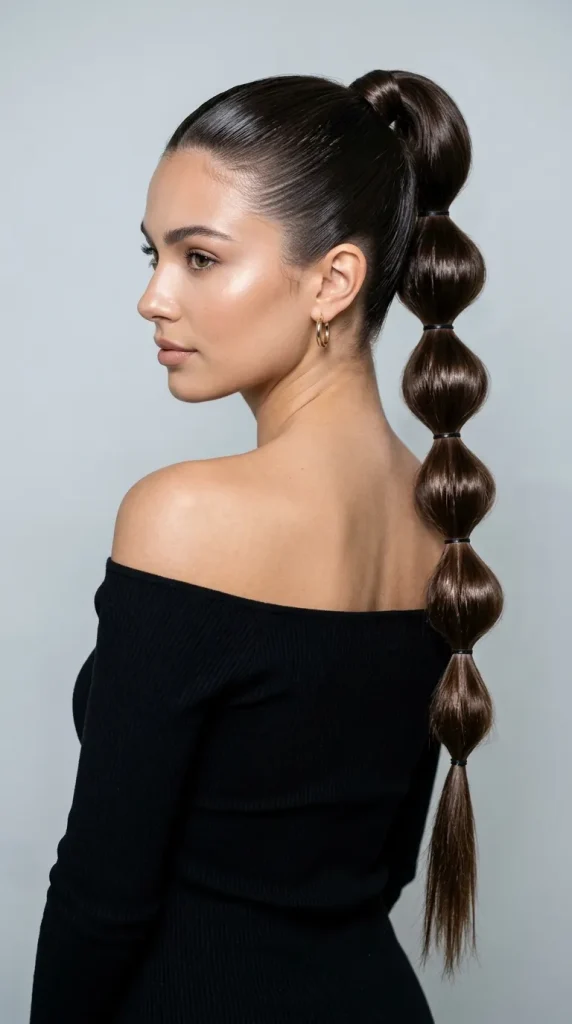
The bubble ponytail creates rounded sections along the length of the ponytail using evenly spaced hair ties. These sections form a series of soft “bubbles” that add dimension and texture to the hairstyle.
To create this design, first form a regular ponytail. Then place additional hair ties along the ponytail at equal intervals. Gently pull the hair between each tie outward to create rounded bubble shapes. The result is a layered ponytail with visible sections that add visual interest.
Idea 5: Twisted Ponytail
Execution Process
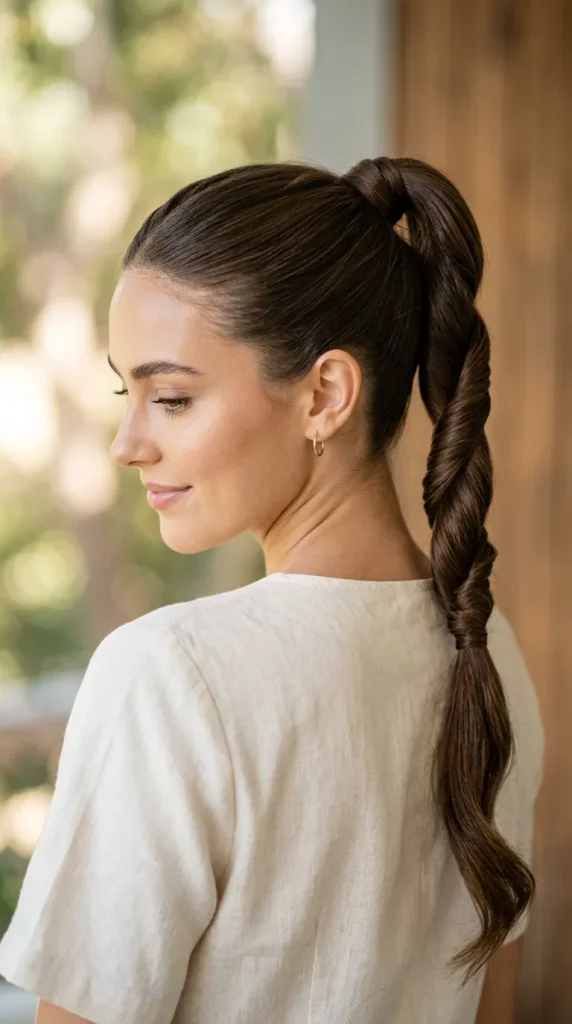
The twisted ponytail introduces a simple twist pattern into the hairstyle. Instead of leaving the ponytail strands straight, sections of hair are twisted together to create a subtle spiral structure.
Start by gathering the hair into a ponytail. Divide the ponytail into two sections and twist each section individually. Then wrap the twisted strands around each other and secure the end with a hair tie.
Idea 6: Side Ponytail
Setup Method
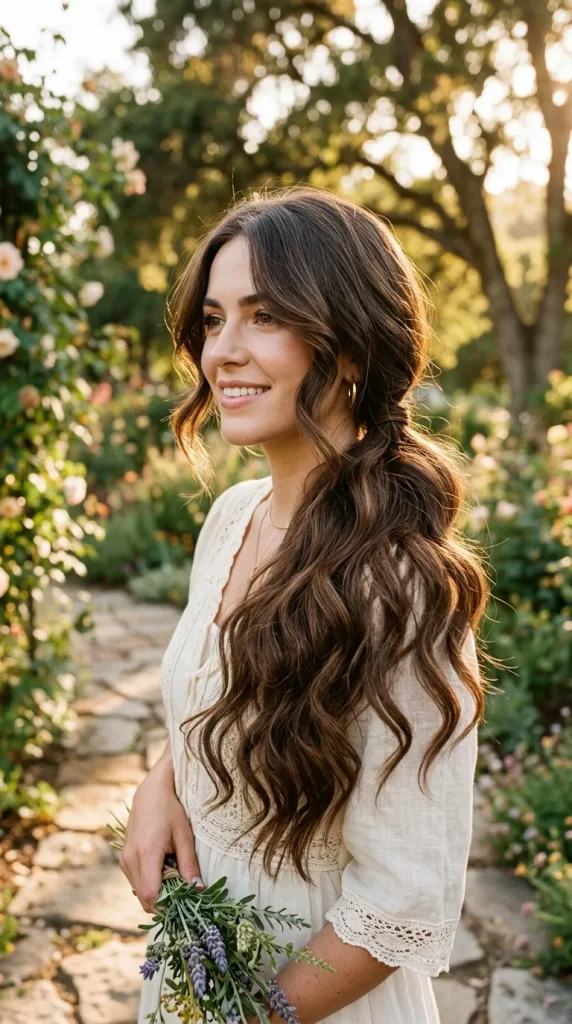
The side ponytail moves the ponytail position to one side of the head rather than the center. This asymmetrical placement creates a relaxed hairstyle that allows the hair to fall over one shoulder.
Gather the hair toward one side of the head and secure it with an elastic tie. Adjust the strands so the ponytail falls comfortably along the shoulder.
Idea 7: Half-Up Ponytail
How to Create
The half-up ponytail gathers only the upper portion of the hair while leaving the remaining length loose. This style combines the organization of a ponytail with the flowing appearance of loose hair.
Separate the top section of hair from the lower section. Gather the top portion and secure it with a hair tie at the back of the head.

Idea 8: Wrapped Ponytail
Step-by-Step Guide
The wrapped ponytail hides the elastic tie by wrapping a strand of hair around it. This technique creates a cleaner and more refined hairstyle appearance.
After forming a ponytail, select a small strand of hair from the ponytail. Wrap it around the hair tie several times and secure the end beneath the ponytail.

Idea 9: Messy Textured Ponytail
How to Make
The messy textured ponytail focuses on relaxed structure rather than perfect smoothness. The hairstyle allows some strands to remain loose, creating a natural and casual appearance.
Gather the hair into a loose ponytail and secure it with an elastic tie. Gently pull sections of hair outward to create volume and texture.

Idea 10: Double Ponytail
Execution Process
The double ponytail uses two stacked ponytails to create the appearance of extra length and volume. The upper ponytail sits above a second ponytail placed slightly lower.
First create a small ponytail using the top half of the hair. Then gather the remaining hair together with the upper ponytail to form a second ponytail beneath it.

Common Beginner Mistakes and How to Avoid Them
Many beginners encounter small challenges when creating ponytail hairstyles because proper hair preparation is often overlooked. One common mistake is gathering the hair too quickly without smoothing the strands first. This can create bumps or uneven sections on the surface of the hairstyle. Brushing the hair thoroughly before forming the ponytail helps maintain a smooth structure.
Another mistake involves placing the ponytail in an unbalanced position. If the ponytail sits too high or too low relative to the intended style, the final look may appear uneven. Using a mirror to check the placement before securing the hair tie can help maintain symmetry.
Practical Tips for Better Results
Using well detangled hair improves the appearance of most ponytail hairstyles. Smooth hair strands allow the ponytail to fall evenly and prevent tangling throughout the day.
Maintaining moderate tension when securing the hair tie also helps preserve comfort. Extremely tight ponytails may cause discomfort, while loose ties may cause the hairstyle to collapse.
Styling, Presentation, or Organization Ideas
Different ponytail placements create different visual effects. High ponytails emphasize length and volume, while low ponytails produce a relaxed and minimalist appearance.
Adding small braids or twists within the ponytail can also enhance texture and visual interest without complicating the hairstyle.
Budget or Time Planning
Simple ponytail hairstyles require very few materials, making them ideal for budget friendly styling routines. Most designs require only hair ties and a brush.
These hairstyles can also be completed quickly. Many ponytail styles take only a few minutes to create, making them practical for busy daily schedules.
Creative Expansion and Advanced Inspiration
Once the basic ponytail techniques are comfortable, more advanced variations can be explored. Multiple braids can be added within the ponytail to create layered textures.
Experimenting with ponytail placement, braid styles, and hair sections can also produce new hairstyle combinations that highlight the length and movement of long hair.