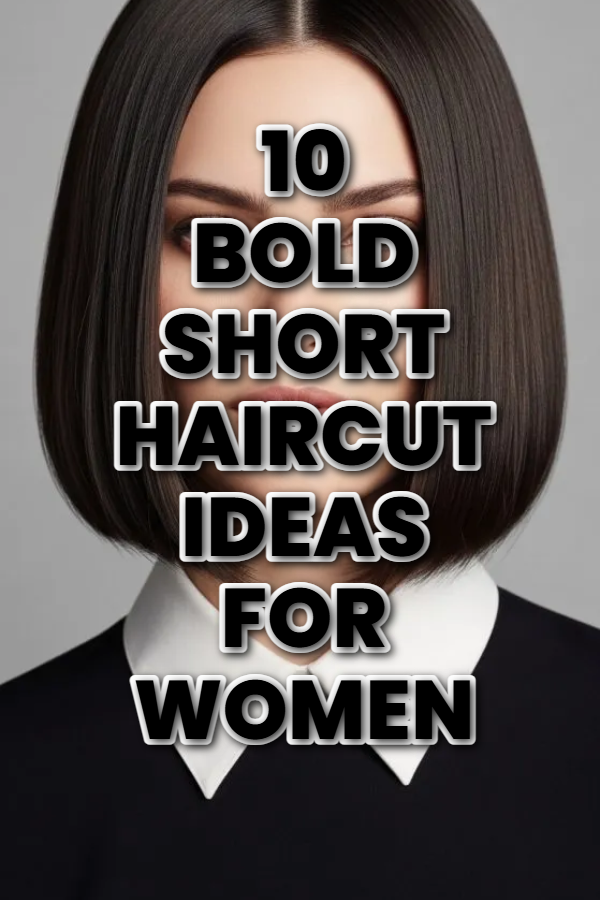
10 Haircut Short For Women

Introduction

Short haircuts for women have become a central feature in Pinterest ideas due to their practicality, structured appearance, and adaptability to modern lifestyles. These styles focus on reducing length while maintaining shape, balance, and visual clarity. Short haircuts are often used in DIY tutorials because they simplify daily maintenance and support organized styling routines. They are suitable for various hair types and face shapes, offering a wide range of creative ideas that align with current aesthetic trends.

This article provides a complete guide to ten short haircut styles designed specifically for women. Each idea explains the structure of the haircut and includes a clear step by step method for execution and maintenance. Readers will learn how to prepare tools, plan the haircut, and achieve consistent results. These styles are useful for improving hair organization, enhancing facial features, and creating a polished appearance. The goal is to present beginner friendly methods that allow for precise and manageable results while maintaining a clean and modern design.

Why This Idea Is Trending or Useful

Short haircuts for women are trending across Pinterest because they align with modern design preferences that emphasize simplicity, efficiency, and minimal maintenance. These styles reduce the time required for daily grooming while maintaining a refined and structured appearance. The clean lines and defined shapes commonly associated with short haircuts contribute to their visual appeal and make them suitable for both casual and professional settings.

Another reason for their popularity is their accessibility. Short haircuts can often be maintained with basic tools and simple techniques, making them ideal for beginners exploring DIY grooming tutorials. These styles also support a minimalist style while allowing for variation in texture, layering, and structure. The ability to customize short haircuts according to face shape and personal preference makes them a reliable option for many individuals. As a result, they continue to appear in trending ideas and serve as a source of inspiration for practical and aesthetic grooming solutions.

Materials and Preparation

Preparing for a short haircut requires careful planning and the use of appropriate tools to ensure accuracy. Essential materials include sharp haircutting scissors, a fine-tooth comb for precise sectioning, clips for holding sections in place, a spray bottle with water to keep hair slightly damp, and a mirror for visibility. These tools help maintain control and precision during the process.

Preparation begins with washing and drying the hair to a slightly damp state, allowing for easier handling and more accurate cutting. Comb the hair thoroughly to remove tangles and ensure even alignment. Divide the hair into sections, separating the top, sides, and back using clips. Planning is essential at this stage, as the desired haircut determines the cutting technique and length. Always consider the natural fall and texture of the hair before cutting. Start with small trims and adjust gradually to maintain balance and symmetry. Proper preparation ensures a structured approach and supports a clean, professional finish.


Idea 1: Classic Bob Cut

How to Create

The classic bob cut is defined by a straight, even length that typically falls around the jawline. This style emphasizes clean lines and symmetry, making it one of the most structured short haircuts. It is widely featured in Pinterest inspiration due to its timeless design and adaptability.

To create this style, section the hair evenly and comb it straight down. Cut the hair to a uniform length, ensuring the line remains level across the head. Work gradually and check alignment frequently to maintain precision. Blend the ends slightly if needed to soften the look. This step by step method results in a clean and balanced haircut.


Idea 2: Layered Short Haircut

Step-by-Step Guide

A layered short haircut introduces varying lengths to create depth and movement. This style reduces bulk and enhances texture, making it suitable for different hair types.

To achieve this look, section the hair and cut the base length first. Then, create layers by cutting sections at different angles. Blend each layer carefully to ensure a smooth transition. Check the overall shape to maintain balance. This method produces a dynamic and structured hairstyle.


Idea 3: Pixie Cut

How to Make

The pixie cut is a very short hairstyle that focuses on simplicity and structure. It features shorter sides and back with slightly longer hair on top. This style highlights facial features and requires minimal maintenance.

To create this look, cut the sides and back to a shorter length while leaving the top slightly longer. Blend the sections to ensure a smooth transition. Trim gradually and check alignment frequently. This method results in a clean and modern haircut.


Idea 4: Textured Crop

Execution Process

The textured crop adds movement and dimension through uneven cutting techniques. This style is often used in modern design trends to create a relaxed yet structured appearance.

To achieve this look, cut the hair to a short length and use point cutting to add texture. Avoid uniform lines to maintain a natural finish. Blend the sections carefully to ensure consistency. This process results in a flexible and dynamic hairstyle.


Idea 5: Asymmetrical Bob

Setup Method

The asymmetrical bob features uneven lengths on each side, creating a unique and modern design. This style introduces visual contrast while maintaining structure.

To create this look, cut one side slightly longer than the other. Ensure the transition between lengths is smooth and intentional. Check the balance from different angles to maintain symmetry. This method produces a distinctive and organized haircut.


Idea 6: Short Shag Haircut

How to Create

The short shag haircut uses multiple layers and textured ends to create a relaxed appearance. This style is widely used in creative ideas due to its versatility.

To achieve this look, cut the hair in layers using point cutting techniques. Focus on creating uneven lengths to add movement. Blend the sections carefully to maintain balance. This method results in a soft and textured hairstyle.


Idea 7: Blunt Short Cut

Step-by-Step Guide

A blunt short cut features a straight, even edge without layers. This style emphasizes precision and creates a bold appearance.

To create this look, comb the hair straight down and cut it evenly across. Maintain consistent tension and check alignment frequently. Avoid adding layers to preserve the blunt effect. This method produces a clean and defined haircut.


Idea 8: Tapered Short Haircut

How to Make

The tapered short haircut gradually reduces length from the top to the sides and back. This style creates a smooth and structured transition.

To achieve this look, cut the top section first and gradually reduce length toward the sides and back. Blend the sections carefully to ensure a seamless transition. This method results in a balanced and polished hairstyle.


Idea 9: Short Curly Cut

Execution Process

A short curly cut is designed to enhance natural curls while maintaining structure. This style focuses on shaping the hair to highlight its texture.

To create this look, cut the hair while maintaining its natural curl pattern. Trim small sections gradually to avoid removing too much length. Blend the sections carefully to maintain balance. This method produces a defined and structured hairstyle.


Idea 10: Undercut Short Hairstyle

How to Create

The undercut short hairstyle features very short sides and a longer top section. This style creates contrast and emphasizes the top layer.

To achieve this look, cut the sides and back short while leaving the top longer. Blend the transition slightly to maintain balance. Shape the top according to preference. This method results in a bold and modern haircut.


Common Beginner Mistakes and How to Avoid Them

One common mistake is cutting too much hair at once, which can lead to uneven results. This can be avoided by trimming gradually and checking progress frequently. Uneven sectioning often causes imbalance, so precise parting is essential. Cutting without considering natural hair fall may result in an incorrect shape. Maintaining consistent tension and working in small sections improves accuracy and reduces errors.

Practical Tips for Better Results

Using sharp scissors ensures clean cuts and prevents uneven edges. Working in a well-lit space improves visibility and precision. Cutting slowly and reviewing progress frequently helps maintain control. Understanding hair texture and direction enhances the final result. Keeping tools organized supports a smooth workflow.

Styling, Presentation, or Organization Ideas

Short haircuts can be styled in sleek or textured finishes depending on preference. Maintaining clean edges and proper alignment enhances presentation. Organizing tools and materials before starting improves efficiency. Regular trimming helps maintain the structure of the haircut.

Budget or Time Planning

Short haircuts require fewer materials and less time compared to longer styles, making them suitable for budget ideas. Planning the haircut in advance and setting aside enough time ensures better results. Regular maintenance reduces the need for major adjustments.

Creative Expansion and Advanced Inspiration

Advanced variations include combining different cutting techniques, experimenting with layering, and adjusting lengths for unique effects. Exploring texture and structure allows for continuous creativity. These approaches support the development of new creative ideas while maintaining a practical and structured process.

Similar Posts

  • 10 Haircut Short Wolfcut

    Introduction The short wolf cut is a layered haircut that combines elements of a shag and a mullet, creating a textured and structured appearance. This style has gained strong visibility across Pinterest ideas due to its balance between volume, movement, and controlled shape. A short wolf cut typically features choppy layers, a tapered back, and…

  • 10 Haircut Short Aesthetic

    Introduction Short aesthetic haircuts focus on clean structure, balanced proportions, and modern simplicity. These styles are widely featured in Pinterest ideas because they combine practicality with visually appealing design. A short haircut reduces maintenance time while allowing precise shaping around the face. The term โ€œaestheticโ€ refers to a hairstyle that looks organized, intentional, and aligned…

  • 10 Haircut Short Alt

    Introduction Short alt haircuts represent a distinct category of hairstyles that focus on individuality, structure, and creative variation. These styles are widely featured in Pinterest ideas because they combine unconventional shapes, textures, and details with practical short lengths. The term โ€œaltโ€ refers to alternative styling approaches that move away from standard haircut patterns and introduce…

  • 10 Sophisticated Haircut Ideas

    Introduction Sophisticated haircut ideas focus on structured design, clean lines, and balanced proportions to create a refined and polished appearance. Pinterest ideas in this category emphasize hairstyles that combine elegance with practicality, making them suitable for both everyday wear and formal settings. A sophisticated haircut is defined by its ability to maintain shape, enhance natural…

  • 10 Haircut Short Alternative

    Introduction Short alternative haircuts focus on expressive structure, creative layering, and non-traditional design elements. These styles often combine sharp cuts, uneven textures, and bold shapes to create a distinctive appearance. Pinterest ideas frequently showcase short alternative haircuts because they offer a unique approach to personal style while remaining practical for daily wear. Unlike standard cuts,…

Leave a Reply

Your email address will not be published. Required fields are marked *