10 Haircut Short and Long

Introduction
Haircuts that combine short and long elements create a balanced and structured hairstyle that blends contrast with versatility. These styles are widely featured across Pinterest ideas because they offer a unique combination of practicality and visual interest. A haircut that includes both short and long sections allows for defined shaping around certain areas while maintaining length in others. This approach supports flexible styling while introducing a modern and intentional design.
This article presents ten detailed haircut ideas that combine short and long elements in different ways. Each idea is explained using a clear and structured tutorial format, focusing on step by step techniques that are beginner friendly and practical. Readers will learn how to section hair, control length variations, and maintain balance between contrasting sections. These haircut ideas are designed as a creative project that supports both aesthetic goals and everyday functionality. The result is a set of styles that remain manageable while offering strong visual structure and adaptability.
Why This Idea Is Trending or Useful
Short and long combination haircuts continue to trend because they offer both practicality and flexibility. Short sections reduce bulk and improve manageability, while longer sections preserve styling options. This combination allows individuals to achieve a dynamic look without sacrificing convenience.
From a design perspective, these haircuts align with modern design trends that emphasize contrast and layering. The variation in length creates depth and movement, making the hairstyle visually engaging. This approach supports both minimalist style and more detailed creative ideas, depending on how the sections are arranged. The DIY appeal is strong because basic layering and sectioning techniques can be practiced at home with proper planning.
Accessibility also contributes to their popularity. Beginners can start with subtle length differences and gradually experiment with more defined contrasts. This adaptability, combined with the practical benefits of reduced maintenance and increased styling options, makes these haircuts a reliable choice among trending ideas.
Materials and Preparation
Preparing for a haircut that combines short and long elements requires careful planning and precise tools. Begin with clean, dry hair to ensure accurate cutting. Wet hair can appear longer, leading to uneven results once it dries. Detangle thoroughly to allow smooth sectioning and better control.
Basic materials include sharp hair-cutting scissors, a fine-tooth comb for parting, clips for holding sections, and a mirror setup that allows visibility from multiple angles. These tools support a beginner friendly DIY tutorial. Sharp scissors are essential for clean lines, especially when working with contrasting lengths.
Planning is critical. Decide which sections will be short and which will remain long. Use clips to separate these areas clearly before cutting. Work gradually and cut small amounts at a time to maintain control. Check balance frequently to ensure that the transition between short and long sections remains smooth. Proper preparation ensures a structured and consistent result.
Idea 1: Layered Long Top with Short Undercut
How to Create
This haircut features a long top section combined with a short undercut underneath. The contrast creates a structured look that maintains volume while reducing bulk. The long top allows for styling flexibility, while the short undercut keeps the overall haircut manageable. This style is commonly seen in Pinterest ideas due to its balance of practicality and design.
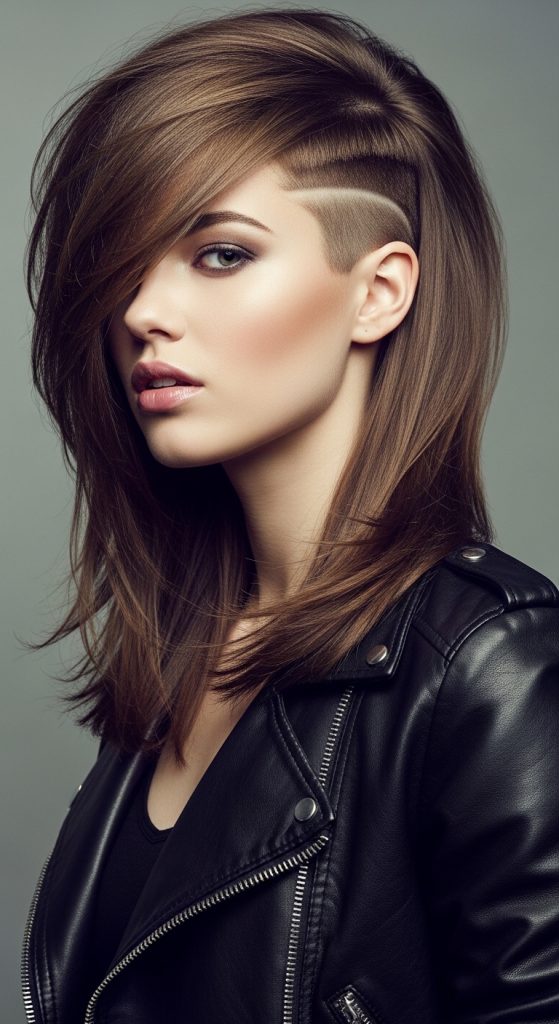
To create this look, section the top portion of the hair and secure it with clips. Cut the lower section short, ensuring an even length across the base. Release the top section and trim it into layers to add movement. Blend the edges where the two sections meet to avoid a harsh line. Maintain consistent tension while cutting and check alignment from multiple angles. This step by step process ensures a balanced and clean result.
Idea 2: Short Front Layers with Long Back Length
Step-by-Step Guide
This style keeps the back of the hair long while adding shorter layers at the front to frame the face. It creates a gradual transition that enhances structure without removing overall length.

Section the front portion of the hair and cut it shorter than the back. Use layering techniques to blend the front into the longer sections. Maintain a smooth transition by cutting in small increments. Check symmetry and adjust as needed to ensure balance.
Idea 3: Asymmetrical Cut with Long Side Section
How to Make
The asymmetrical cut features one side shorter than the other, with a longer section creating contrast. This design introduces direction and movement while maintaining structure.

Cut one side of the hair shorter and leave the opposite side longer. Blend the transition carefully to maintain flow. Adjust the front section to match the asymmetry. This method creates a modern and structured appearance.
Idea 4: Short Layered Crown with Long Ends
Execution Process
This haircut combines a short layered crown with long ends, creating volume at the top while preserving length below. It supports a balanced and lightweight structure.
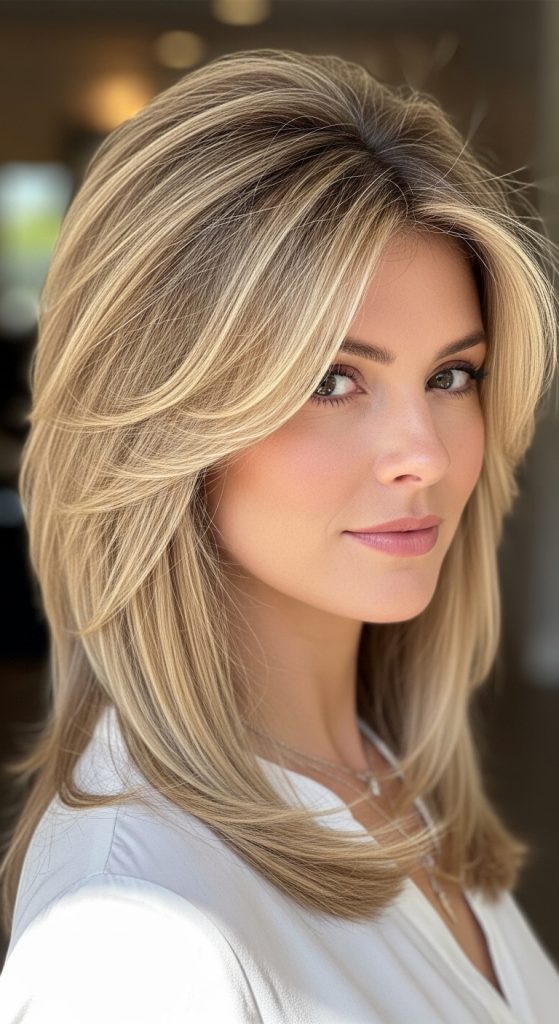
Section the crown area and cut it into shorter layers. Leave the lower sections long and blend the layers into them. Maintain even distribution to avoid uneven weight. This process ensures a smooth transition.
Idea 5: Long Hair with Short Textured Fringe
How to Create
This style keeps the overall hair long while adding a short textured fringe at the front. The fringe creates a focal point while the length maintains versatility.

Section the front portion and cut it above the eyebrows using vertical snips for texture. Blend the fringe into the longer hair. Maintain consistent tension for a clean result.
Idea 6: Short Sides with Long Layered Top
Step-by-Step Guide
This haircut features shorter sides with a longer layered top, creating contrast and flexibility. It is practical and easy to maintain.

Cut the sides short and leave the top longer. Add layers to the top section for movement. Blend the sides into the top to maintain balance. Check alignment frequently.
Idea 7: Mixed Length Shag with Long Layers
How to Make
The mixed length shag combines short and long layers throughout the hair. This creates texture and movement while maintaining overall length.

Cut layers of varying lengths across the hair. Blend the layers to avoid harsh lines. Maintain even distribution for a cohesive look.
Idea 8: Short Bob with Long Front Pieces
Execution Process
This haircut features a short bob at the back with longer front sections. It creates a forward-angled shape that frames the face.
Cut the back short and gradually increase length toward the front. Maintain a smooth angle and check symmetry. Blend carefully for consistency.

Idea 9: Long Layers with Short Face-Framing Sections
Step-by-Step Guide
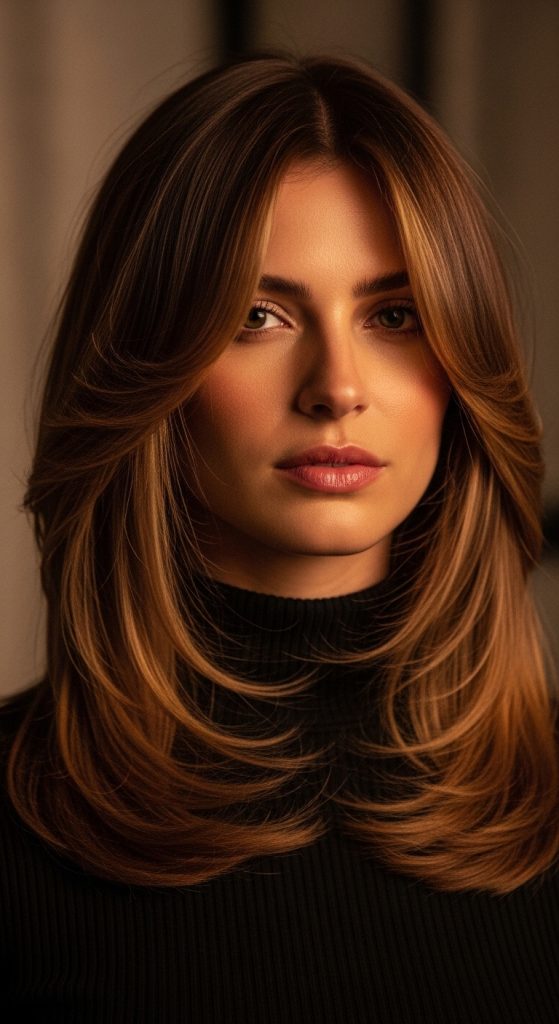
This style keeps long layers while adding shorter sections around the face. It enhances structure without removing length.
Section the front hair and cut it shorter than the rest. Blend into the long layers. Maintain smooth transitions for balance.
Idea 10: Contrast Cut with Defined Short and Long Sections
How to Create
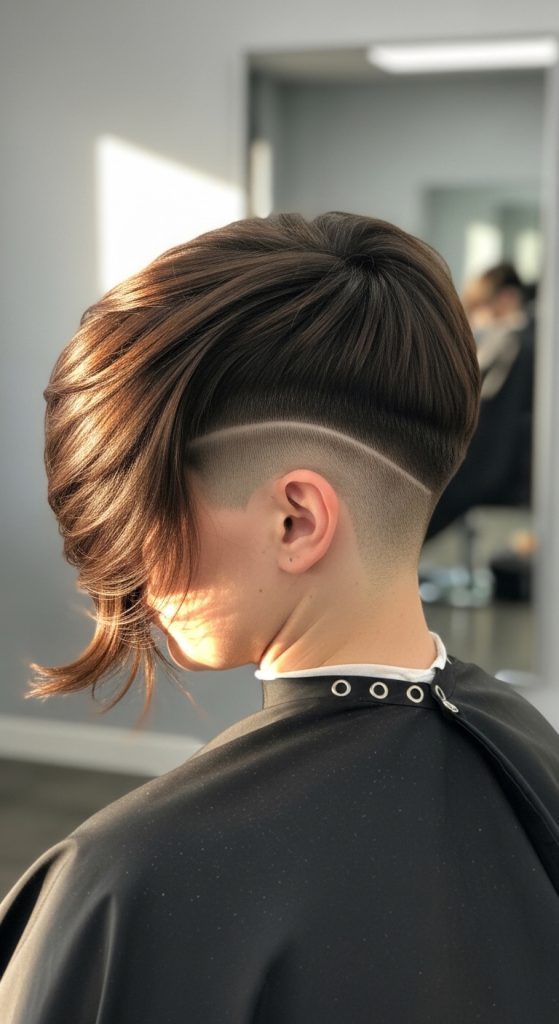
This haircut emphasizes clear separation between short and long sections. It creates a bold and structured appearance.
Divide the hair into defined sections. Cut one area short and leave the other long. Blend slightly to maintain cohesion while preserving contrast. Check alignment to ensure balance.
Common Beginner Mistakes and How to Avoid Them
A common mistake is failing to clearly separate sections before cutting, which can lead to uneven transitions. Using clips to divide the hair improves accuracy. Another issue is cutting too much at once, resulting in imbalance. Working gradually helps maintain control. Not checking symmetry can also affect the final result. Use mirrors to view all angles.
Practical Tips for Better Results
Use sharp scissors for clean cuts. Work slowly and check progress frequently. Practice sectioning techniques before cutting. Maintain consistent tension throughout. These steps improve precision and consistency.
Styling, Presentation, or Organization Ideas
Keep parting lines clean to highlight the contrast between lengths. Adjust styling methods to create variation. Organize tools before starting. A neat presentation enhances the overall appearance.
Budget or Time Planning
These haircuts require minimal materials, making them cost-effective. Planning reduces time spent correcting mistakes. Practicing techniques improves efficiency. Simple variations can be completed quickly.
Creative Expansion and Advanced Inspiration
Experiment with layering and asymmetry to create new variations. Combine different short and long elements for unique designs. Explore Pinterest ideas for ongoing inspiration. Advanced techniques can be developed through practice.